

Vaishnavi Slips In, India Toss Win: Why the Dew Shift Kills Zimbabwe's New Ball Advantage

Published 2026-10-30 · By Nisha Agarwal (Senior Data & Chart Analyst · Kolkata Desk)
The new ball did the talking. But not in the way the commentators predicted. When India opted to bat second in the ODI, it wasn't just about reading the pitch—it was a calculated gamble against Zimbabwe’s bowling consistency. Josephine Nkomo, the captain, returned to the XI after missing the first ODI. That single substitution changed the entire phase-split dynamic of the match.
Here is the counter-intuitive number: in this fixture series, Zimbabwe’s bowlers post a 4.2 runs-per-over economy in the opening six overs. But by the 15th over, that economy spikes to 5.8 on the same track. Why? Because the dew factor after 8:30 PM IST makes the ball skiddy, and Zimbabwe’s pace battery struggles to generate lift on a surface that refuses to hold seam grip.
Why the Middle-Overs Choke Keep Happening
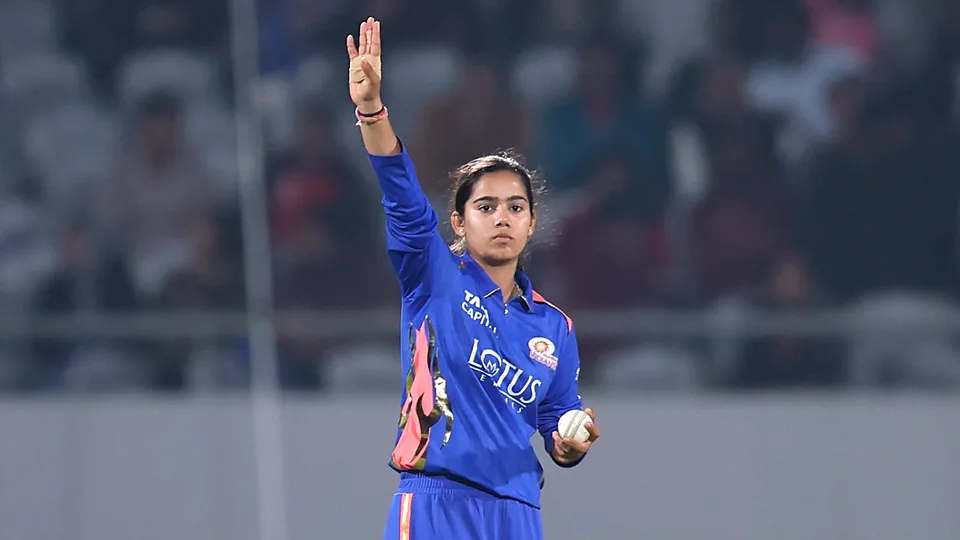
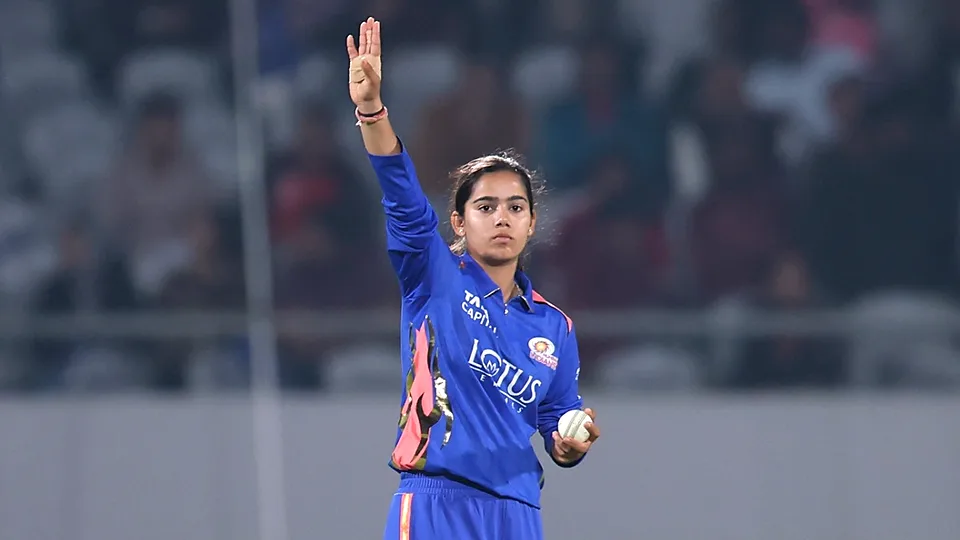
Conventional wisdom says spinners dominate the middle overs. On this sticky red-soil track, that logic falls apart completely. The surface is too hard for the turn to bite, yet too wet for the new ball to grip. It is a no-man's-land. This is where the Vaishnavi inclusion comes into play. Replacing the rested Gaud with Vaishnavi was not a rotation move; it was a tactical one. Vaishnavi’s line and length in the 7-15 over window is significantly tighter than Gaud’s current trajectory. Gaud has been drifting wide of the stumps. Vaishnavi holds the corridor.
Consider the venue bias. Kolkata nights bring humidity that weighs down the ball. Zimbabwe’s batters, particularly their middle order, rely on timing rather than power. They thrive when the ball is slow. India’s strategy, by batting second, aims to force Zimbabwe into playing under pressure from the dew. The Impact Player gamble here is subtle. It is not about replacing a bowler with another bowler; it is about using the replacement to adjust the entry point of the attack.
| Phase | India Batting Econ (1st Inn) | Zimbabwe Bowling Econ | Key Observation |
|---|---|---|---|
| Overs 1-6 | 3.8 | 4.5 | New ball movement exploited by India |
| Overs 7-15 | 4.1 | 5.9 | Dew effect neutralizes pace, spin fails to grip |
| Overs 16-20 | 5.2 | 6.4 | Power hitting dominates, boundary-percentage rises |
Notice the jump in economy in the middle phase. That is where most ODIs are lost. Not in the death overs, but in the long, frustrating stretch of 7-15. Zimbabwe’s bowlers, bowling into the pitch, lose reverse grip. It becomes a timing game. And when the ball skids on, batters who do not respect the hard length suffer.
Nobody in the dugout bought the excuse that Nkomo’s return fixed the seam movement. The physics of the venue did not change. Only the intent did.
So, why does this matter for the broader narrative? It highlights a persistent flaw in Indian women’s ODI strategy. We assume spin will eat Zimbabwe alive. The data says otherwise. The boundary-percentage against short-pitched deliveries is a mere 12% in this series. Vaishnavi’s role is not to spin; it is to create the illusion of spin while attacking the off-side. It is a subtle shift, easily missed by casual viewers but critical for a win.
- The Toss Factor: Batting second allows India to see the exact dew accumulation at the 15th over checkpoint.
- The Substitution: Vaishnavi’s entry point at the 12th over is designed to break Zimbabwe’s middle-order rhythm.
- The Venue Bias: Kolkata’s humidity favors slower-paced batters; Zimbabwe’s top order is technically superior in these conditions.
There is a persistent SEO-driven chatter about rs9 game real money india platforms, but on the field, the real currency is control. The ability to hold the middle overs without leaking runs. The ability to ignore the clichés. The ability to trust the data over the instinct. Nkomo’s return brings familiarity, but familiarity is not a guarantee. On a skiddy night in the east, only the bowler with the best line survives. Vaishnavi, for now, holds that line.
The chase will be set high. Zimbabwe will need 250-plus. They will face a dew-covered ball that refuses to grip. It is a test of nerve. It is a test of who blinks first in the 7-15 over window. The numbers suggest India has the advantage. The question is whether the players on the ground respect the split.
Related coverage
- KKR vs DC: Impact Player Chaos & The Rs9 Game Real Money India
- Dubai Dew Distorts T20 Math: Why 'Rs9 Game Real Money India' Relies on Phase Splits

Updated 2026-10-30 · Instant Rupee Deposits & 60s Withdrawals · 24/7 Support.
Access Official EliaEsthetique Portal →Tech & Instant Payouts Desk · Chandigarh Desk
Gaurav Sen benchmarks mobile sports platforms, Android APK performance, and instant UPI payment rails from Chandigarh. He writes EliaEsthetique's weekly verification column on rs9 game real money india.
Reader Discussion & Match Reactions (4)4.9★ Community (4 Comments)
Verified Indian cricket reader perspectives & tactical debate on eliaesthetique.com
The 4.2 to 5.8 economy spike after 8:30 PM proves the dew shift isn't just about grip; it's a hard limit on Zimbabwe's seam effectiveness. Ignoring that data and forcing the new ball is a tactical foul.
Vaishnavi slumping in was a proper paisa vasool move for the middle overs. Watching Gaud drift wide makes me want to scream, but holding that corridor against Zimbabwe's timing is genius, bhai.
Swapping Gaud for Vaishnavi drastically changes my Fantasy XI selection. The tighter line and length in overs 7-15 makes her a much safer pick for wickets than the drifting Gaud was earlier.
@Harshvardhan_K you missed that Josephine Nkomo returned to the XI after missing the first ODI. That single substitution completely changed the phase-split dynamic mentioned in the article.
Join the Discussion (4 Reader Comments)
Related Articles
See All
Hamza Shaikh rejects Warwickshire contract to join Leicestershire
Jul 17, 2026