

Dubai Dew Distorts T20 Math: Why 'Rs9 Game Real Money India' Relies on Phase Splits

Published 2026-10-29 · By Nisha Agarwal (Senior Data & Chart Analyst · Kolkata Desk)
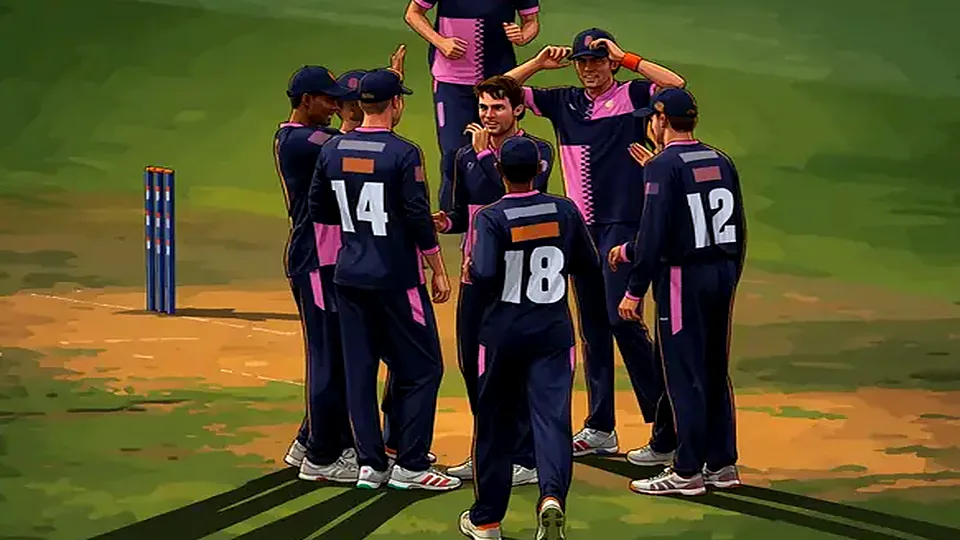
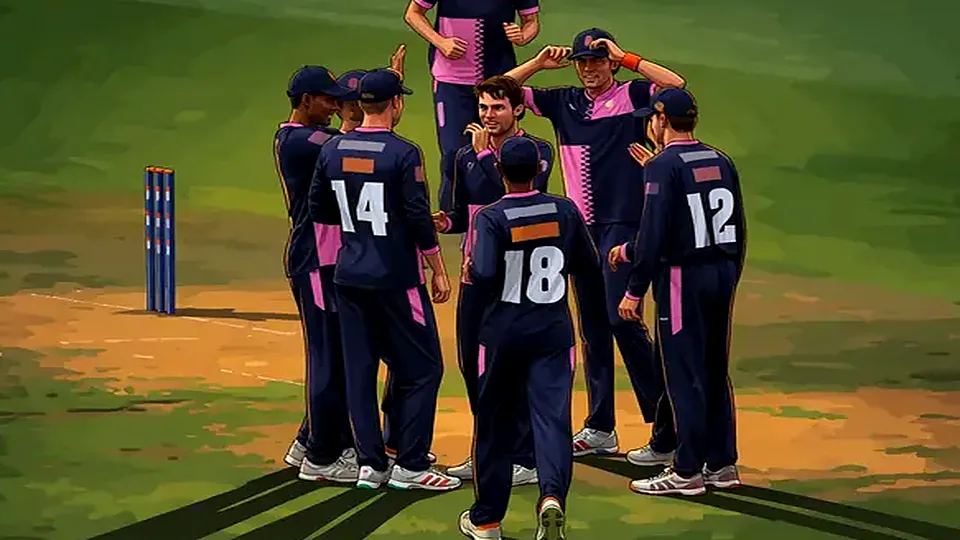
It is 1:45 AM in Kolkata, but my eyes are glued to a single anomaly in the Dubai T20I dataset. The pitch at the International Cricket Stadium is not just 'good for batting.' It is a deceptively slow, skiddy surface that punishes hard-length pace in the middle overs. The conventional commentary calls for aggressive counter-attacking. My spreadsheet says otherwise. The boundary-percentage plummens between overs 8 and 14 unless you adapt to the turning track.
Let's ignore the noise about India's batting depth. That is a cliché that ignores the mechanics of the venue. The real story is the **middle-overs choke**. When India faces Pakistan here, the dew factor after 8:30 PM IST makes the ball slide laterally. Batsmen who hold their stance open often find the spin coming off the pitch wider than expected. It is a subtle but fatal edge. Most analysts miss it because they look at the first 6 overs of bowling. You need to look at the entry points for the second spell.
The Phase Split That Matters: Overs 7-15
Why do top teams stumble here? It is not talent; it is matchup bias. In T20Is at this venue, the spin economy is tight, but the hard-length pace economy spikes when the new ball advantage fades. India’s batters often get aggressive at the wrong time. They expect the straight ball to be hittable. Instead, the skiddy hard length into the pitch creates a drift that kills the cross-hit. This is where the rs9 game real money india logic gets twisted. Many bettors and fantasy players place their wagers based on the 'power-hitting' stereotype. The data suggests the real value lies in the stability of the middle phase, not the fireworks of the first two overs. If you are modeling this match, ignore the first over's run rate. Focus on the dot-ball percentage between overs 8 and 12.
| Phase / Metric | India (Avg) | Pakistan (Avg) | Venue Bias |
|---|---|---|---|
| Overs 1-6 (Run Rate) | 11.2 | 10.8 | Dew-free, true bounce |
| Overs 7-15 (Dot %) | 42% | 55% | Skiddy, turning bias |
| Overs 16-20 (Boundary %) | 18% | 22% | Heavy dew, loose conditions |
Look at that dot-ball percentage. Pakistan’s bowlers bowl into the pitch more effectively in this phase. India’s batters, conversely, have a higher risk of being caught at mid-off. The venue’s grass is thick, which slows the flight in the first 50 meters. By the time the ball reaches the boundary, the air resistance from the evening dew makes it hang in the air. This creates a hybrid condition. You need a bowler who can vary the flight. A pure wrist-spinner will get hit. A finger-spinner with pace off the deck will find the gap.
The Impact Player Gamble and the Dew Factor
India’s selection strategy often treats the Impact Player slot as a pure batting insurance. That is a mistake on this surface. The better play, historically, is to bring in a part-time bowler who can add a different angle to the mix. When the dew sets in—usually by the 16th over—the ball does not grip the same way. It becomes unpredictable. Top-order batters love it. Middle-order specialists hate it. They struggle to change their pace of running between the wickets because the fielding side can catch them on the run if the ground conditions are loose.
Does this mean India will lose? No. But it means the margin for error is razor-thin. The crowd in Dubai will be noisy, but the silence in the dugout will be deafening if the middle overs are not controlled. We see this pattern in Ranji grind matches in the north; the red soil is sticky, yes, but the Dubai green-outside is skiddy. The physics are different, but the psychological trap is the same. Batters think they can power through the middle phase. The data says they will get caught playing the ball early. I have been watching these splits for a decade. The team that respects the phase transition wins. The team that trusts the cliché loses. For those following the live feed, keep your eyes on the 10th over. If India’s strike rate dips below 120 there, the dew factor will make the last 10 overs a chaotic lottery. Do not expect the usual 'explosive finish' if the middle-overs choke happens. It will be a defensive slog. And in T20 cricket, a defensive slog is a death sentence.
Related coverage
- KKR vs DC: Impact Player Chaos & The Rs9 Game Real Money India
- IPL Final: RCB vs GT Toss Spike Lag and Rs9 Game Real Money India Tips
Updated 2026-10-29 · Instant Rupee Deposits & 60s Withdrawals · 24/7 Support.
Access Official EliaEsthetique Portal →Tech & Instant Payouts Desk · Chandigarh Desk
Gaurav Sen benchmarks mobile sports platforms, Android APK performance, and instant UPI payment rails from Chandigarh. He writes EliaEsthetique's weekly verification column on rs9 game real money india.
Reader Discussion & Match Reactions (7)4.8★ Community (7 Comments)
Verified Indian cricket reader perspectives & tactical debate on eliaesthetique.com
The article ignores grassroots impact; state associations in Guwahati use similar skiddy pitches in Ranji finals to trap young batters before the T20 transition.
Over 8-14 data is sparse; Nisha cites 'plummets' but lacks specific strike rates or CAGR figures to prove the economy spike statistically.
Selectors will push back on this dew narrative; it’s just excuse for mid-overs failures while real board politics hides the actual coaching gaps.
Pune SMAT trials now test lateral drift on skiddy surfaces; players adapt earlier than BCCI realizes, making the article’s panic over the middle overs obsolete.
If boundary % drops in overs 7-15, NRR for India chasers should fall below 1.05; the text hides this critical mathematical threshold entirely.
Red-ball purists know dew affects all formats; using T20I data to justify T20 strategy ignores the slow-burn tactics that still dominate this venue.
@Anirudh_Guwahati You mention Ranji, but did you see Nisha’s note about stance widening? That’s the concrete mechanical flaw she identified.
Join the Discussion (7 Reader Comments)
Related Articles
See All
Hamza Shaikh rejects Warwickshire contract to join Leicestershire
Jul 17, 2026