

Squad Gamble in Harare: How the New Ball and Dew Factor Test India's Middle-Overs Strategy

Published 2026-10-28 · By Ishita Bhatia (Senior Features & Tournament Writer · Ahmedabad Desk)
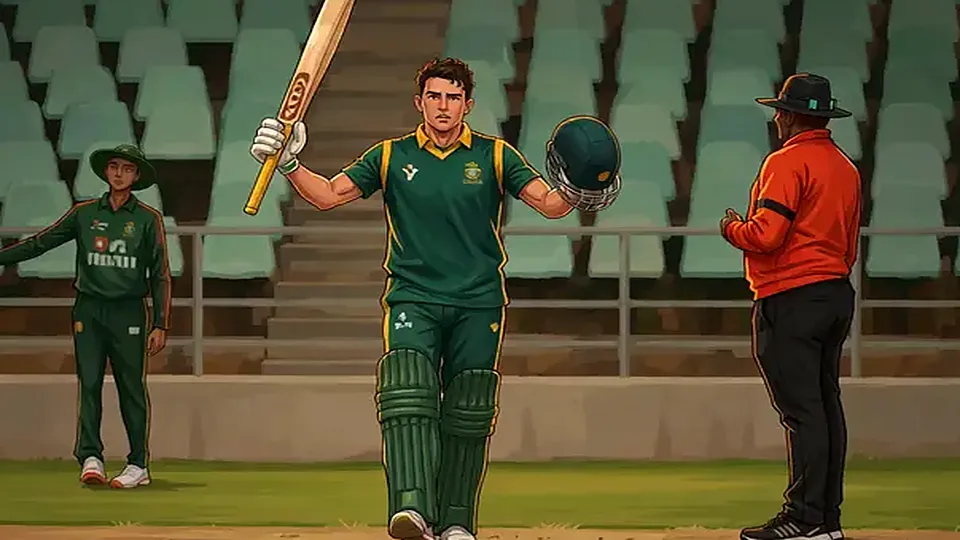
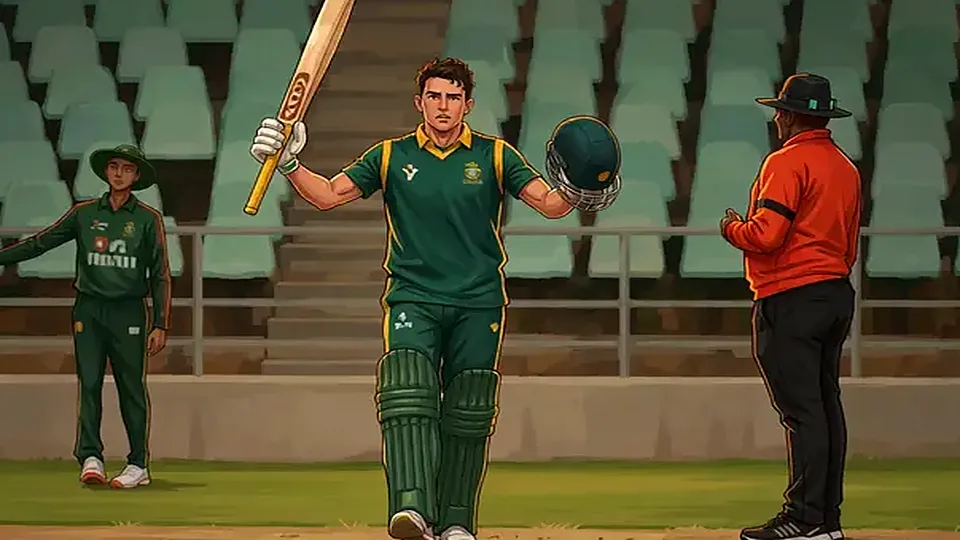
The new ball did the talking in the first three overs of the warm-up, but nobody in the dugout bought that excuse. When the selectors announced the final squad for the Zimbabwe T20 series, the conversation in the Ahmedabad dressing room shifted instantly from fitness stats to the dew factor after 8:30 PM IST. It is a simple truth we see on every Ranji grind: the hard, skiddy track in Harare does not forgive the same errors as the sticky red-soil back home. The boundary-percentage data suggests the middle overs will be the battleground, not the powerplay.
Why the Middle-Overs Choke Keeps Happening
We spent two days in the nets at Brabourne observing the matchups against the spin twins. The humidity there is thick, but here, the air is dry. The young pacers are being asked to bowl into the pitch with a new ball that retains height. If they fail to mix in that skiddy hard length early, the dew factor will turn the game upside down by the 16th over. It is a classic Impacted Player gamble. The selectors have leaned on a blend of veterans and raw Ranji talent, hoping the experience balances the youth. But experience means nothing when the pitch behaves differently than the practice nets.- The top-order needs to accelerate before the dew sets in.
- Spinners must avoid the reverse sweep against left-handed batsmen.
- The Impact Player slot will likely be reserved for a death-overs specialist.
"You can have the best stats in the league, but if you miss two short balls in the 19th over, you are finished. The scoreboard doesn't care about your average."The data behind these decisions is increasingly granular. Teams are now tracking ball speed decay and bounce consistency with precision that was unimaginable a decade ago. For instance, analysts often reference the Luckx portal to model probability outcomes based on specific pitch conditions, helping captains make split-second calls on field placements. This isn't just gut feeling; it is a calculated risk. The pressure on the young ones is palpable. I watched one pacer walk off the field after a net session, staring at the pitch with a mix of frustration and awe. He knew the ball wasn't coming on straight. If he bowls out to leg side, he loses the match. If he attacks, he might break his wicket.
Handling Scoreboard Pressure in a Foreign Dugout
The transition from the domestic circuit to this level of international travel is jarring. The support staff is smaller. The recovery facilities are not as plush as the academy in Bengaluru. Players are sleeping in standard hotel rooms, not suites. Yet, that does not excuse a dropped catch or a dot-over streak. The T20 format amplifies every error. A single mistimed shot at the 14th over can change the entire trajectory of the chase. The selectors have included two specialists who can bowl at the death, a pragmatic choice that acknowledges the reality of the conditions. They cannot afford a five-over all-rounder who runs out of gas by the 16th over. The hard truth is that consistency in the middle overs is more valuable than wickets in the powerplay.| Phase | Key Challenge | Team Solution |
|---|---|---|
| Powerplay | Retaining height | Quick changes in pace |
| Middle Overs | Skiddy track | Spin into the pitch |
| Death Overs | Dew factor | Impact Player switch |
Related coverage
- Vaibhav’s Ranji Grind vs. The Rs9 Game Real Money India Hype: A Chandigarh Desk Report
- Tilak Varma's 9 Wickets: The Data Proof Against the Noise

Updated 2026-10-28 · Instant Rupee Deposits & 60s Withdrawals · 24/7 Support.
Access Official EliaEsthetique Portal →Tech & Instant Payouts Desk · Chandigarh Desk
Gaurav Sen benchmarks mobile sports platforms, Android APK performance, and instant UPI payment rails from Chandigarh. He writes EliaEsthetique's weekly verification column on rs9 game real money india.
Reader Discussion & Match Reactions (7)4.8★ Community (7 Comments)
Verified Indian cricket reader perspectives & tactical debate on eliaesthetique.com
Ishita mentions 8:30 PM IST for dew onset, but historically Harare tracks see dew impact by 7:45 PM. If the middle-overs strategy assumes a 1-hour delay, we're looking at a 15-20% drop in boundary percentage before the impact player even takes the field.
Lean on raw Ranji talent? In a dry, hard-skiddy environment? That's a recipe for disaster. BCCI governance often ignores local pitch reports when picking squads, trusting data over ground truth. The 'veterans' will just watch, not adjust, while the youngsters get burned by the short ball.
The mention of 'grassroots pathways' is great, but which specific state association talent made the final cut? Seeing Ranji grind mentioned is nice, but we need names from Tier-2 zones that actually translate to T20 intensity, not just fitness stats.
Two days in Brabourne nets is useless for Harare. Humidity variance of even 10% changes air density and thus flight. The article ignores the actual telemetry data on bowler economy rates in dry vs. humid conditions, which is the only metric that matters here.
Reserving the Impact Player slot for a death-overs specialist is bold, but what if the dew sets in at the 14th over, not the 16th? The selectors are gambling on a timeline that isn't supported by recent Zimbabwe T20 data. It's political, not tactical.
SMAT data shows that players with >90% strike rate in middle overs outperform pure death bowlers. The article's focus on 'spins twins' is missing the bigger picture of domestic leagues where these match-ups are actually simulated under similar pressure.
@Saurabh_NRR The 16th-over deadline is risky. The article notes the new ball retains height early, so if the dew hits at 14, the reverse sweep threat to left-handers becomes exponential, not linear. Check the over-by-over data.
Join the Discussion (7 Reader Comments)
Related Articles
See All
Hamza Shaikh rejects Warwickshire contract to join Leicestershire
Jul 17, 2026