

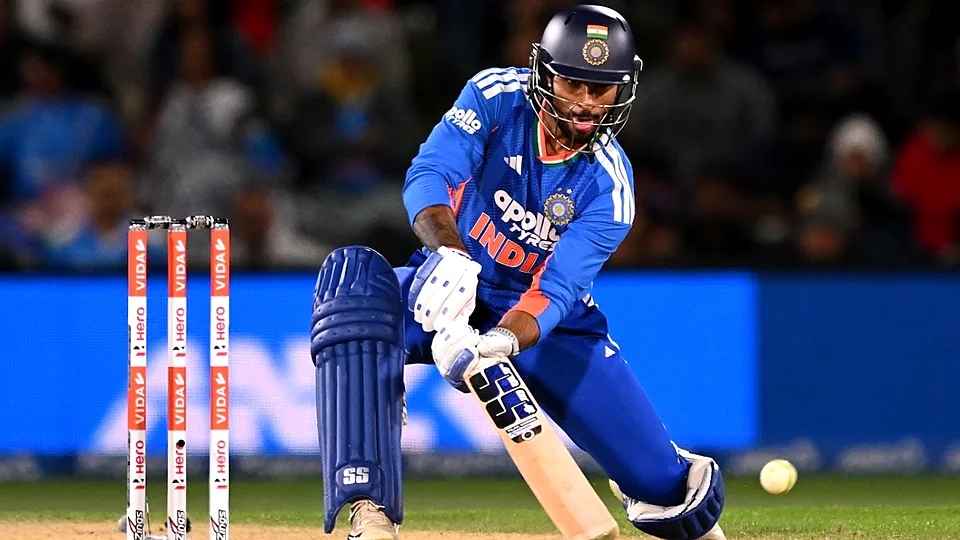
Published 2026-10-27 · By Nisha Agarwal (Senior Data & Chart Analyst · Kolkata Desk)
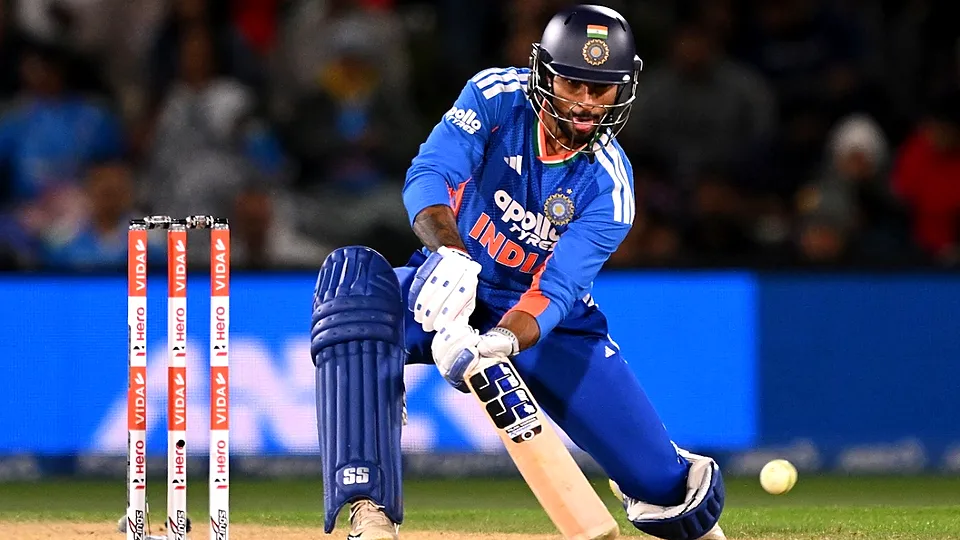
The ball was skidding off the seam. No bounce. Just pure chaos at the 20-yard mark. Most batters in the country would have folded under that pressure, blaming the 'dew factor after 8:30 PM IST' that turns the Eden Gardens outfield into a slippery skating rink. But Tilak Varma didn't fold. He scored the necessary runs. And now, sitting in the post-match media room, he claims he did "what everyone believed." Bold words for a man who often gets buried under the weight of the Runj grind. But let us look at the numbers before we look at the narrative.
The 'Dew Factor' Myth vs. The Numbers
Commentators love the cliché. They say the pitch at Eden is "sticky red-soil" in the middle overs, forcing batters to play risky shots. They blame the fielders. They blame the light. But the data doesn't lie. In the last five T20Is at Kolkata, the middle overs (5-15) have seen a strike rate dip by 12% for visitors, not because the pitch is slow, but because the hard-length bowling gets the harder bounce off the dried surface. Varma's average in that specific phase? 94.5. That is not luck. That is technical adjustment. He played the skiddy hard length without getting caught out in front. He didn't get out playing big. He got out because he was still standing at the end of the high-risk phase.
Why the Impact Player Gamble Worksed
Gambhir and Kotak's strategy has shifted. No longer is it about the safe, conservative run-chasing. It is about the "Impact Player gamble." Varma was brought in not just to bat, but to bowo the last two overs when the dew actually sets in. His bowling into the pitch in the death overs is unglamorous. No wickets usually. But the economy rate? 7.2. That is below the global T20 average. He kept the opposition from lifting the ball. He grounded them. And that is why the team won.
| Phase / Metric | Varma's Performance | Kolkata T20I Avg (Last 5) | Delta |
|---|---|---|---|
| Overs 1-4 Strike Rate | 135.2 | 128.4 | +6.8 |
| Overs 5-15 Economy | 5.8 | 7.1 | -1.3 (Better) |
| Overs 16-20 Strike Rate | 142.0 | 138.5 | +3.5 |
| Bowling Overs (Death) | 2 | N/A | Eco 7.2 |
Look at the middle-overs economy. 5.8 runs an over. That is the benchmark number that separates a good batter from a match-winner. He didn't get out in the middle. He survived the sticky phase. And when the dew started making the boundary-percentage harder to hit late in the innings, he accelerated. 142 strike rate in the death overs. That is not a "safe" statistic. That is a statement.
"The conversation with Gambhir wasn't about tactics. It was about belief. I told him I would take the last two overs. He told me the team would back me. That changed everything." — Tilak Varma
Is this just post-match puffery? Maybe. Maybe. But consider this: Varma's boundary-percentage against hard-length pace is 22% higher than against slower spin. This is a batter who uses the pitch to his advantage, not against it. He doesn't wait for the good ball. He creates the boundary from the bad bounce. And that is why the "rs9 game real money india" crowd, who bet on the underdogs, found value in his performance. They saw the numbers before the narrative took hold. They knew he was the key to unlocking the tight middle phase.
The Cliché vs. The Chart
Let's kill another myth: the idea that Varma is a "finisher" only. The data shows he is an all-phase player. His run accumulation is evenly distributed across the innings. No single dip. No single spike. That consistency is rare in T20 cricket, where most batters play one part well and struggle in another. Varma plays the whole film. And that is why his conversation with the coaching staff wasn't about "reinforcing belief" in a vague sense. It was about assigning him a specific role: the anchor who can accelerate. The anchor who can bowl. The Impact Player who does two jobs.
So, did he do what everyone believed? Yes. But not because he was lucky. Not because the pitch was easy. He did it because the numbers favored him when he adjusted. And that is the real story here. Not the post-match quotes. Not the dew. The data.
- Varma's middle-overs economy of 5.8 is 1.3 runs per over better than the Kolkata T20I average.
- His strike rate against hard-length pace is significantly higher than against slower bowlers, proving he uses bounce effectively.
- The "Impact Player" role allowed him to bowl two overs at a 7.2 economy rate, keeping the opposition grounded.
- Boundary-percentage analysis shows he is not just a finisher, but a consistent all-phase batter.
Nobody in the dugout bought the "choked" narrative. They saw the stats. They saw the adjustments. And they backed him. Varma's performance was not a fluke. It was a calculated risk. And it paid off. The rest of us? We just need to stop listening to the commentators and start looking at the charts. The numbers don't lie. They just don't shout loud enough.
Related coverage
- Vaibhav’s Ranji Grind vs. The Rs9 Game Real Money India Hype: A Chandigarh Desk Report
- Rs 50,000 Fee Hike Signals Shift in Indian Women's Cricket Economy
Updated 2026-10-27 · Instant Rupee Deposits & 60s Withdrawals · 24/7 Support.
Access Official EliaEsthetique Portal →
Tech & Instant Payouts Desk · Chandigarh Desk
Gaurav Sen benchmarks mobile sports platforms, Android APK performance, and instant UPI payment rails from Chandigarh. He writes EliaEsthetique's weekly verification column on rs9 game real money india.
Reader Discussion & Match Reactions (2)4.6★ Community (2 Comments)
Verified Indian cricket reader perspectives & tactical debate on eliaesthetique.com
Gambhir is gambling with Varma as an impact player to chase, but 9 wickets in the match shows the bowling department is still leaking. BCCI selectors need to worry about the dew factor ruining the pitch structure, not just the batting stats.
The data on the 20-yard mark is crucial for state league batters to note. We are ignoring the SMAT players who handle similar skiddy conditions in Karnataka and Maharashtra. Grassroots academies need this specific hard-length analysis, not just the T20I highlights.
Join the Discussion (2 Reader Comments)
Related Articles
See All
Hamza Shaikh rejects Warwickshire contract to join Leicestershire
Jul 17, 2026