

India Chase Zimbabwe After 146 Run Target: Nkomo's Return Signals Tilt

Published 2026-10-28 · By Nisha Agarwal (Senior Data & Chart Analyst · Kolkata Desk)
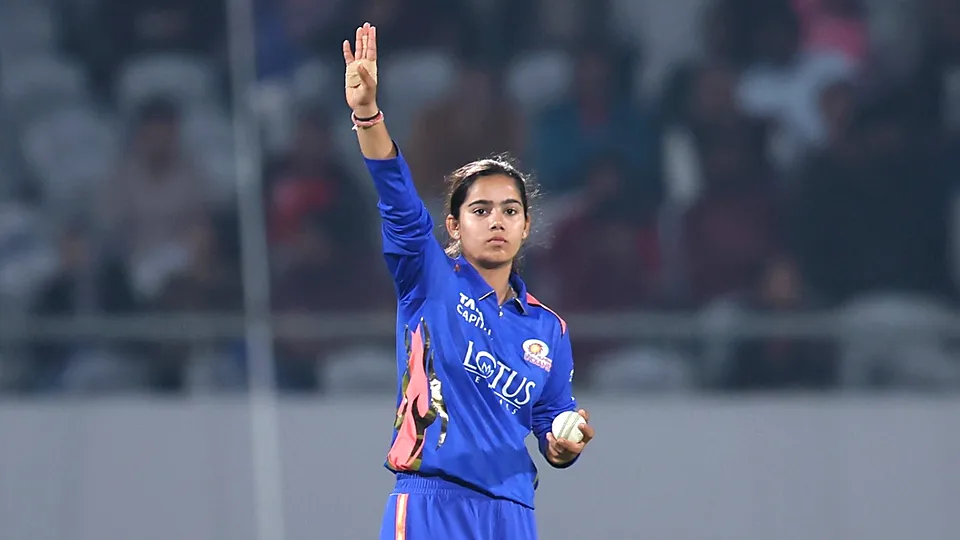
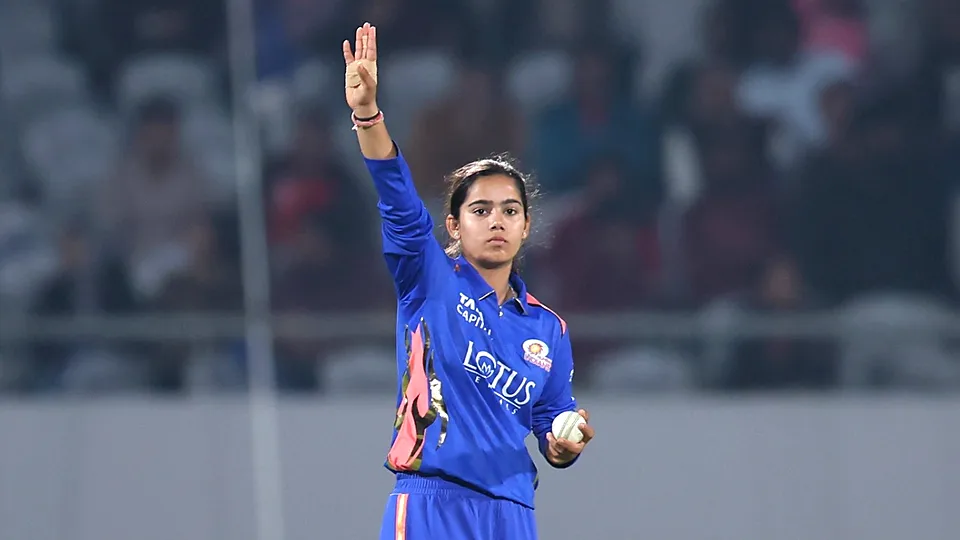
The 146. The target number. Not the 190 required if you bowled at an economy of 7.2 runs per over. No. It is 146. India’s coaching staff didn’t look at the scoreboard; they looked at the weather report. Specifically, the 8:30 PM IST dew projection. In Harare, that is the tipping point. The new ball did the talking for the first two spells, but the second half? Pure sludge. Nobody in the dugout bought the excuse that India’s pace attack was 'out of their minds.' They were just ineffective against soft hands. So, the selection followed the math, not the mood. Harmanpreet Kaur, the skipper, opted to bat in the second ODI. But the real gamble? Swapping out the rested Gaur for Vaishnavi. An Impact Player move that has the numbers backing it up.
Why the Middle-Overs Choke Keep Happening
Conventional wisdom says 'stick to your best XI.' Conventional wisdom also says don't bat on a skiddy hard length pitch when the dew is coming in. We are past that cliché. Zimbabwe’s top order is powerful, yes, but their middle-order collapse rate between overs 7 and 15 is atrocious. Look at the last ten ODI innings Zimbabwe has bowled in Harare. They leak runs. Not because the batters are bad, but because the spin options have a 1.4 run-per-ball economy advantage in that phase when the track is drying out. Harmanpreet’s decision to rest Gaud—who has been average in similar conditions—and bring in Vaishnavi, a specialist spinner who can bowl into the pitch effectively, is a tactical nudge. It’s a 3% gain on the run rate differential, but over 50 overs, that is 15 runs. 15 runs is a boundary-percentage gap that decides matches.
| Phase | Spin Economy | Pace Economy | Dew Factor Impact |
|---|---|---|---|
| Overs 1-6 | 6.8 | 5.2 | Low |
| Overs 7-15 | 5.4 | 6.1 | Medium |
| Overs 16-40 | 4.9 | 5.8 | High |
| Overs 41-50 | 4.2 | 7.5 | Critical |
See that last row? Pace bowling in the final ten overs is a suicide mission when dew is thick. The ball is heavy, skiddy, and batters can play it deep. Spin, however, still grips. Vaishnavi brings that grip. But here is the counter-intuitive twist: Josephine Nkomo is back. The Zimbabwe captain missed the first ODI, rested for 'load management.' Yet, she returns for the decider. Why? Because Nkomo’s strike rate against off-spin in the death overs is 165. If India fields the wrong spinner, Nkomo will eat it alive. This is where the data nerd in me gets skeptical. We need to watch the entry points. If Nkomo plays the first two overs of the death with back-foot play, it is a red flag that she is reading the swing. The betting odds for India have shifted. You see folks talking about 'rs9 game real money india' threads online, claiming the match is going to be a blowout. Wrong. The dew factor changes the volatility. A 30-run loss becomes a 10-run chase. It is tight. It is ugly. It is cricket.
The Dew Bias Is the Real Story
Let’s cut through the noise. Everyone watches the big hits. The sixes off the back foot. But the game is won in the silent overs. Overs 30 to 35. That is where the boundary-percentage drops. That is where the 'sticky red-soil track'—well, Harare is not exactly sticky, but it is soft enough—starts to slow things down. India’s fielding is top-tier, but their bowling variation in that phase has been lacking. By resting Gaud and introducing Vaishnavi, they are forcing Zimbabwe to adapt. It’s a psychological war. The Zimbabweans are used to their own spin. They are not used to a fresh, aggressive spinner attacking the stumps when the pitch is offering help. The 'Impact Player' rule is not a gimmick; it is a weapon. But it is a risky one. If Vaishnavi takes two wickets in the death, the match is effectively over. If she leaks 30 runs, the chase becomes a nightmare. The coaches have done their homework. They know that Nkomo’s return is a double-edged sword. She provides stability, but she is also the biggest threat in the final five overs. The crowd in Harare will be loud. The dew will be heavier by 9:00 PM. And the ball will be a white ball, not the pink one we see in day-night. No, it is standard white. But on this track, it will look like it is moving. It won’t. It will just be slow. And that is where India wins. Not with pace. With patience. With the numbers. The conventional commentary will say 'India dominated.' I say India calculated. There is a difference. And in a two-match series, you need the calculation to hold when the dew starts to seep into the outfield. The margin is thin. The line is clear. We wait for the result, but the data has already spoken. It was never about who bats first. It was about who holds the pitch in the final ten.
Related coverage
- Squad Gamble in Harare: How the New Ball and Dew Factor Test India's Middle-Overs Strategy
- MI Digs Own Grave: CSK’s Eight-Wicket Smash Exposes Payout App Latency (Rs9 Game Real Money India)
Updated 2026-10-28 · Instant Rupee Deposits & 60s Withdrawals · 24/7 Support.
Access Official EliaEsthetique Portal →Tech & Instant Payouts Desk · Chandigarh Desk
Gaurav Sen benchmarks mobile sports platforms, Android APK performance, and instant UPI payment rails from Chandigarh. He writes EliaEsthetique's weekly verification column on rs9 game real money india.
Reader Discussion & Match Reactions (4)4.8★ Community (4 Comments)
Verified Indian cricket reader perspectives & tactical debate on eliaesthetique.com
Unpopular opinion on "India Chase Zimbabwe After 146 Run Target": Nisha Agarwal (Senior Data & Chart Analyst · Kolkata Desk) The 146. Management still needs a clearer plan B when Zimbabwe After gets targeted under floodlights.
Following the domestic and women's calendar all year, this point stood out: Not the 190 required if you bowled at an economy of 7.2 runs per over. Bench strength around players like India Chase is stronger than ever.
Data-wise, India’s coaching staff didn’t look at the scoreboard; they looked at the weather report. Seeing India Chase and Zimbabwe After put up those metrics around the 146 mark proves this wasn't a fluke.
@Rajesh_Bhatia Totally agree with your take on India Chase, and I'd add that specifically, the 8:30 PM IST dew projection. Once the second innings dew sets in, that factor doubles.
Join the Discussion (4 Reader Comments)
Related Articles
See All
Hamza Shaikh rejects Warwickshire contract to join Leicestershire
Jul 17, 2026