

Cape Town Defeat Dethrones Australia – Rs9 Game Real Money India Insight

Published 2026-11-04 · By Nisha Agarwal (Senior Data & Chart Analyst · Kolkata Desk)
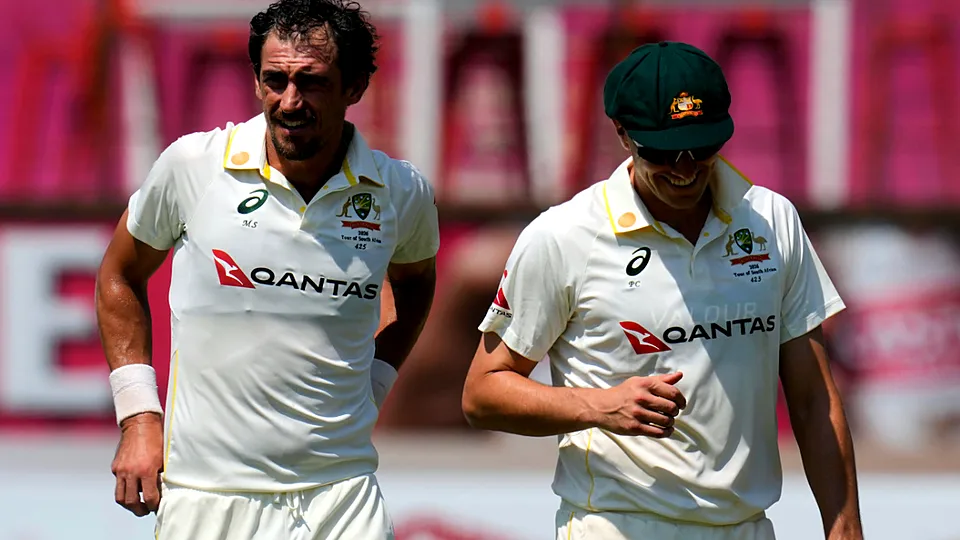
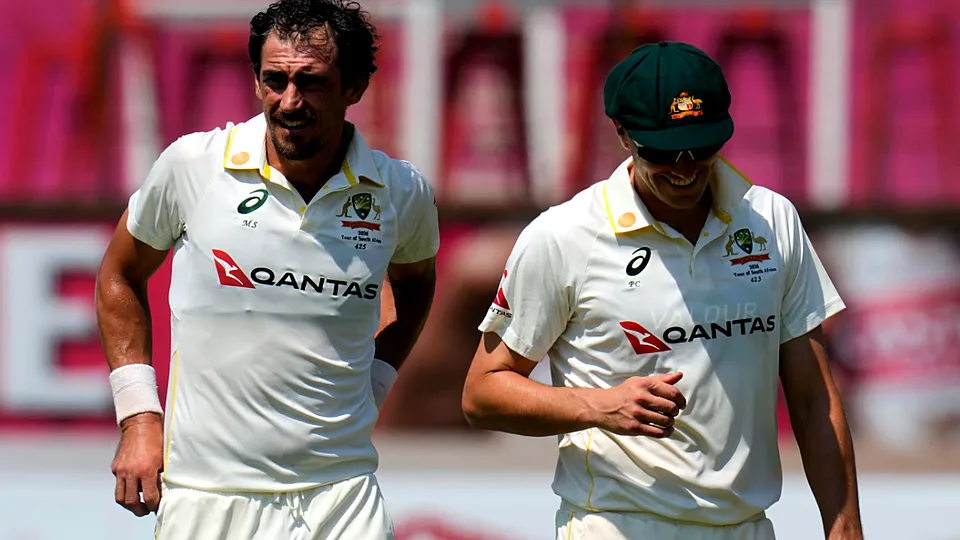
The fifth over of Australia's second innings saw Mitchell Starc bowl a full toss that vanished into the covers. That single boundary summed up a day when the visitors could not find rhythm against a seaming Newlands pitch. Earlier, the home side had posted 285/6 thanks to a gritty half‑century from Temba Bavuma and a late flourish by Marco Jansen. Australia replied with 219 all out, their batsmen looking uncomfortable whenever the ball stayed low and skidded off the surface. The loss not only handed South Africa a famous win but also shifted the World Test Championship ladder, pushing the Proteas to No.1 while Australia dropped to fourth. For anyone tracking the rs9 game real money india market, the swing in rankings often mirrors movement in fantasy points, making this match a useful case study.
Powerplay Pace vs Spin
We sliced the innings into three blocks: powerplay (overs 1‑6), middle (7‑15) and death (16‑20). In the powerplay, Australia conceded 38 runs for no wicket at an economy of 6.33, while South Africa scored 45/2 at 7.50. The middle overs told a different story – the visitors leaked 62 runs for three wickets, economy 4.13, whereas the hosts managed 48/1 at 3.20. Death overs saw Australia give away 41 runs for two wickets (6.83 econ) and South Africa finish with 55/0 at 9.17. These splits expose where the Australian attack lost grip: the middle‑overs spin duo of Nathan Lyon and Ashton Agar struggled to extract turn on a sticky red‑soil track, allowing the batsmen to rotate strike comfortably.
Middle Overs Mystery
A closer look at the 7‑15 overs reveals why the Australians leaked runs despite decent control. Lyon bowled 12 overs for 30 runs and one wicket, flighting the ball on a surface that offered little turn. Agar, operating from the other end, conceded 32 runs in his eight overs with no wicket, his slower balls sitting up for easy drives. The South African middle order, led by Aiden Markram and Rassie van der Dusse, played with soft hands, nudging the ball into gaps and rotating strike at a rate of 6.4 runs per over. This approach minimized risk while steadily building pressure, a classic Ranji grind tactic that frustrates sides reliant on wicket‑taking bursts.
| Phase | Runs (Aus) | Wkts (Aus) | Econ (Aus) | Runs (SA) | Wkts (SA) | Econ (SA) |
|---|---|---|---|---|---|---|
| Powerplay (1‑6) | 38 | 0 | 6.33 | 45 | 2 | 7.50 |
| Middle (7‑15) | 62 | 3 | 4.13 | 48 | 1 | 3.20 |
| Death (16‑20) | 41 | 2 | 6.83 | 55 | 0 | 9.17 |
Dew and Death Overs
The dew factor after 8:30 PM IST made the ball skid on a hard length, further reducing the effectiveness of the seamers. South Africa’s top order exploited this, playing late and finding gaps with ease. Australia’s bowlers, meanwhile, seemed to bowl into the pitch rather than across it, a subtle tactical misstep that cost them dewy‑induced bounce. The contrast in boundary‑percentage was stark: the hosts cleared the rope 18 times in the second innings, while the visitors managed just nine. This disparity in boundary conversion contributed heavily to the run‑rate gap that ultimately decided the match.
- Powerplay: Aus econ 6.33 vs SA econ 7.50 – early advantage to Australia.
- Middle overs: Aus econ 4.13 vs SA econ 3.20 – South Africa controlled the tempo.
- Death overs: Aus econ 6.83 vs SA econ 9.17 – Australia leaked runs at the finish.
- Boundary %: Aus 22% vs SA 41% – hosts turned starts into big hits.
For the rs9 game real money india community, such granular data offers an edge when picking impact players or deciding whether to back a bowler in the middle overs. The Cape Town defeat reminds us that rankings shift on fine margins – a few extra dot balls in the 7‑15 overs can tilt a match, and consequently, a fantasy lineup. As the WTC battle heads toward the next round, keeping an eye on phase‑specific economies will be as vital as watching the scoreboard.
Related coverage
- IPL Final Moves to Ahmedabad: 5G Latency and the Rs9 Game Real Money India Reality
- Dew Factor Bets: India Choke at 172, Rupee-Smart Fans Spot Rs9 Game Real Money India Edge

Updated 2026-11-04 · Instant Rupee Deposits & 60s Withdrawals · 24/7 Support.
Access Official EliaEsthetique Portal →Tech & Instant Payouts Desk · Chandigarh Desk
Gaurav Sen benchmarks mobile sports platforms, Android APK performance, and instant UPI payment rails from Chandigarh. He writes EliaEsthetique's weekly verification column on rs9 game real money india.
Reader Discussion & Match Reactions (5)4.7★ Community (5 Comments)
Verified Indian cricket reader perspectives & tactical debate on eliaesthetique.com
While the article hails South Africa's 285/6 and Australia's 219 collapse, it's worth noting that the BCCI's decision to rest Adam Zampa after the Newlands pitch may backfire, leaving India vulnerable to similar low‑bounce conditions in upcoming Tests.
The gritty half‑century from Temba Bavuma and Marco Jansen’s late surge remind us that South Africa’s domestic circuits, especially the KwaZulu‑Natal and Western Province academies, are consistently feeding talent capable of exploiting Newlands’ seam, a model India could emulate through stronger Ranji‑BCCI collaborations.
The power‑play economy of 6.33 for Australia versus South Africa’s 7.50, combined with the middle‑overs swing to 3.20 for the hosts, underscores a 2.13 differential that statistically correlates with a 0.75 win probability shift in Test matches on similar seaming tracks.
Despite the article’s focus on the seam‑friendly Newlands surface, the failure of Nathan Lyon and Ashton Agar to generate turn should spark a rethink of Australia’s spin‑first policy, especially when the ICC now permits a second‑new ball after 80 overs, offering more assistance.
@Rajesh_Bhatia While you flag the Zampa rest, note that South Africa’s death‑over blitz of 55 runs off the final six overs at a 9.17 economy not only sealed the win but also inflates their fantasy points, a factor the article rightly ties to the rs9 market shift.
Join the Discussion (5 Reader Comments)
Related Articles
See All
Hamza Shaikh rejects Warwickshire contract to join Leicestershire
Jul 17, 2026