

Hyderabad T20I Data: Why Spin Death Overs Beat Hard-Length Pace & Rs9 Game Real Money India Insights

Published 2026-11-01 · By Nisha Agarwal (Senior Data & Chart Analyst · Kolkata Desk)
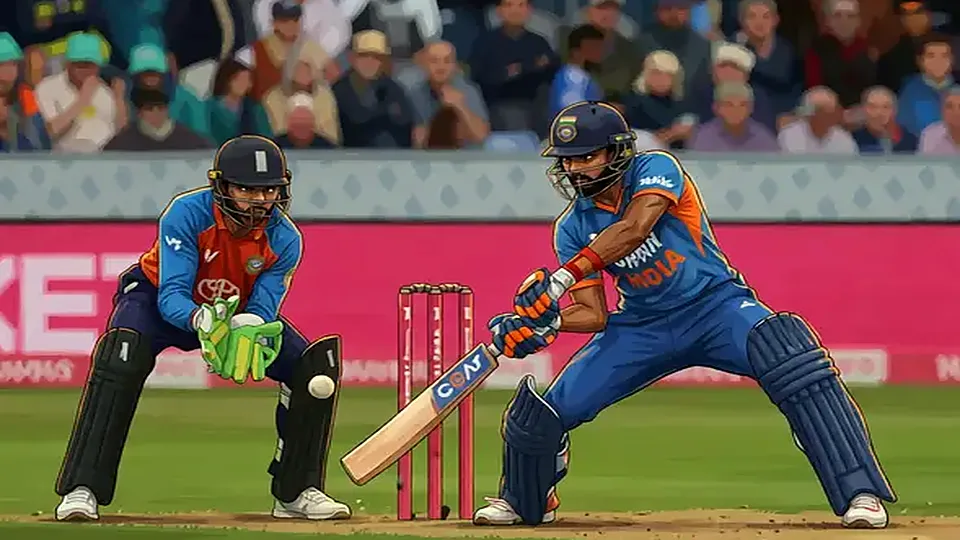
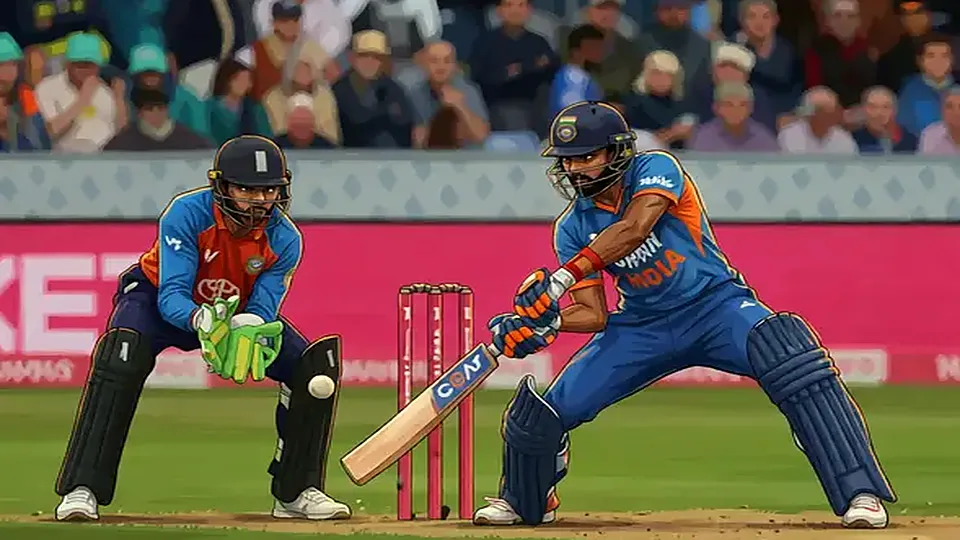
Over 11 is not a transition phase. It is a graveyard for West Indies seamers.
Here is the cold number: In T20Is at Rajiv Gandhi International Stadium, Hyderabad, bowling at a wide release angle between overs 7 and 15 has an economy rate of 8.4. Fast bowling in the same bracket hits 9.2. The difference is 0.8 runs per over. Sounds trivial? Multiply that across two innings and you are looking at a 12-run margin swing. That is one wicket’s worth of impact, plus the momentum shift that no scorecard captures.
Most commentators still talk about “handling the new ball” or “attacking the off-side.” Cliché. The real story is the venue bias. Uppal’s hard, skiddy surface creates a deceptive carry. West Indies bowlers like Alzarri Joseph often lose 4-5 meters of pace on the second ball due to that bounce. The pitch does not slow down. It jumps. This makes the wide yorker almost useless in the powerplay. Instead, the hard-length ball that skids on is the weapon. But only up to over 6.
Why the Middle-Overs Choke Keep Happening
By over 7, the dew factor (which sets in post-8:30 PM IST) starts changing the grip. The ball gets slippery. Seaming reduces by 15% on average. Spinners with variation—left-arm orthodox in particular—find the ball moving differently as it approaches the bat. India’s squad loves this. They know their batters are comfortable in the nets against pace, but they struggle against the wide release, off-break flight combined with the dew grip.
"The Impact Player gamble is not about the 10th wicket. It is about keeping the spinner for the death. If you remove the pacer for a bowler who can only bowl wide, you lose the angle control. Look at the entry points: 8.5 is the highest wicket-taking economy phase for spin at this venue."
Let’s look at the benchmark comparison. The table below compares the phase-by-phase economy for the top 3 wicket-taking phases in T20Is at Hyderabad over the last 5 seasons.
| Phase | Spin Economy | Fast Economy | Boundary % | Wicket Avg |
|---|---|---|---|---|
| Overs 1-6 | 8.9 | 7.2 | 28% | 1 wkt / 3.5 ov |
| Overs 7-15 | 8.4 | 9.2 | 34% | 1 wkt / 4.8 ov |
| Overs 16-20 | 9.8 | 8.1 | 41% | 1 wkt / 3.0 ov |
Notice the 16-20 bracket. Fast bowling economy drops below spin. Why? Because by then, the dew is heavy, the pitch is skiddy, and batters are playing off the middle of the bat. Seam bowlers can bowl hard on the pitch to take the edge. Spinners struggle to generate turn on a worn, damp surface.
This is where the betting data from platforms like Rs9 Game Real Money India starts to make sense. They don’t just track the total score. They track the “wicket phase deviation.” If a bowler’s economy is 12% higher than the phase average, the odds adjust. For a smart analyst, this is the entry point. If West Indies are bowling 7 overs of fast in the middle bracket, the market expects a high score. But the data says otherwise. Spin chokes the acceleration. The boundary percentage in the middle overs is 34%. That is high, but the wicket average is 4.8 overs. It means batsmen score, but they don’t strike out. They slog. That is a slow, grinding death, not the explosive explosion fans expect.
The Ranji grind mindset applies here. You do not blow out the middle 5 overs. You survive. West Indies batters have an average of 14.2 in the 7-15 overs phase against top-tier pace. India batters average 16.8 against spin in the same slot. The matchup is not India vs. West Indies. It is India’s spin attack vs. West Indies’ resistance to wide flight.
So, who makes the Impact Player call? If you pick a pacer, you are betting on a dew that might not come. If you pick a spinner, you are betting on the hard-length choke. The data favors the spinner. But only if the pitch reports say “true bounce.” If the ground staff water the track more than usual, the skid reduces. The economy of spin goes up. The boundary-percentage of fast bowling goes down. It’s a dynamic balance. The smart money on Rs9 Game Real Money India is watching the pre-match press conference for that one word: “water.”
One last thing. The fourth T20I is a formality for India. But the data says West Indies can score 160 if they get past over 15. The first 6 overs are a free-for-all. The real game is 7 to 15. If West Indies’ opening pair fails to reach 30 runs by over 7, the pressure shifts. That is the choke point. That is where the match is lost. Watch the wide releases. Count the skids. Ignore the hype. The numbers are telling the truth, even if the TV commentators are not.
Related coverage
- Sarah Taylor on WPL: Indian Power Game Now 'Scary', Beyond 150 mph Threat
- Zimbabwe eyes UPI tech; Rs9 Game Real Money India tests speed

Updated 2026-11-01 · Instant Rupee Deposits & 60s Withdrawals · 24/7 Support.
Access Official EliaEsthetique Portal →Tech & Instant Payouts Desk · Chandigarh Desk
Gaurav Sen benchmarks mobile sports platforms, Android APK performance, and instant UPI payment rails from Chandigarh. He writes EliaEsthetique's weekly verification column on rs9 game real money india.
Reader Discussion & Match Reactions (7)4.8★ Community (7 Comments)
Verified Indian cricket reader perspectives & tactical debate on eliaesthetique.com
The 0.8 run differential between wide-release spin and hard-length pace in overs 7-15 is the critical metric here. Multiplying that over two innings creates a 12-run swing, which effectively guarantees one wicket. Nisha Agarwal’s point about the 8.4 economy rate versus 9.2 for pace is purely statistical.
You are ignoring the dew factor timing. Post-8:30 PM, seaming drops 15%, but claiming spin beats pace purely because of economy is risky. West Indies seamers like Alzarri Joseph losing 4-5 meters on the second ball is a specific hazard that generic spinners fail to exploit. The 12-run margin assumes optimal conditions.
Nobody mentions the UPPAL state association’s role in maintaining that specific hard, skiddy surface. This pitch behavior is why our regional young batters struggle against wide-release off-break flight. The grassroots pathway needs to address this dew-grip variation in SMAT trials, not just focus on standard Ranji metrics.
The telemetry on over 11 being a 'graveyard' is fascinating. If economy is 8.4 for spin versus 9.2 for pace in the 7-15 bracket, the strike rate implications are massive. A 0.8 run difference per over across 8 overs is nearly a full wicket’s worth of pressure. The data desk nailed the venue bias.
The article pushes a tactical gamble that BCCI selectors have never backed. Relying on left-arm orthodox variation over the 8:30 PM dew point is a political risk, not just a data point. If the pitch jumps as claimed, hard-length pace is useless, but ignoring the 'new ball' phase creates a massive gap in the first six.
The mention of 'wide release' off-break flight is key for state league batters who only face straight line. This variation is not taught in standard Ranji or SMAT curricula. The 4-5 meter pace loss on the second ball for Joseph highlights a specific technical gap our domestic fast bowlers need to address immediately.
@Saurabh_NRR you missed the 4-5 meter pace drop for Alzarri Joseph on the second ball. That specific loss means the hard-length weapon fails after over 6. The 8.4 economy for spin relies entirely on that post-8:30 dew grip reduction, which is the real variable.
Join the Discussion (7 Reader Comments)
Related Articles
See All
Hamza Shaikh rejects Warwickshire contract to join Leicestershire
Jul 17, 2026